
CONVERSION TO ELECTRIC HEATING
The conversion of industrial machinery from gas to electric power is carried out through an energy retrofit, which replaces combustion burners with electric heating elements or generators.
This transition is not limited to the simple replacement of a component but requires an in-depth engineering analysis of the entire system.
Main stages of the conversion:
• Feasibility study: Verification of the required thermal output and calculation of the electrical load needed for the new power supply.
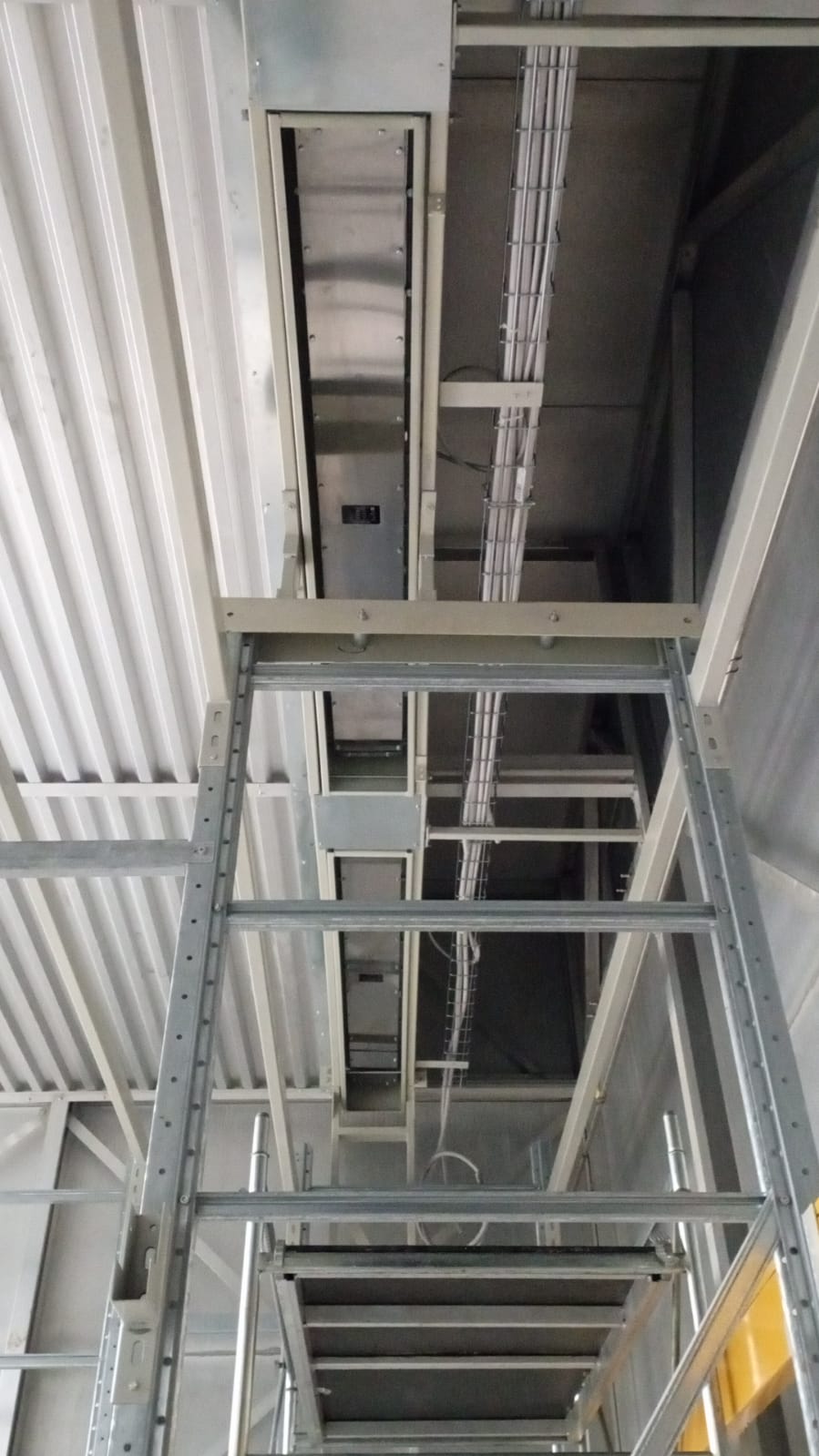
• Removal of the gas system: Dismantling of burners, gas manifolds, safety valves and flue gas exhaust ducts.
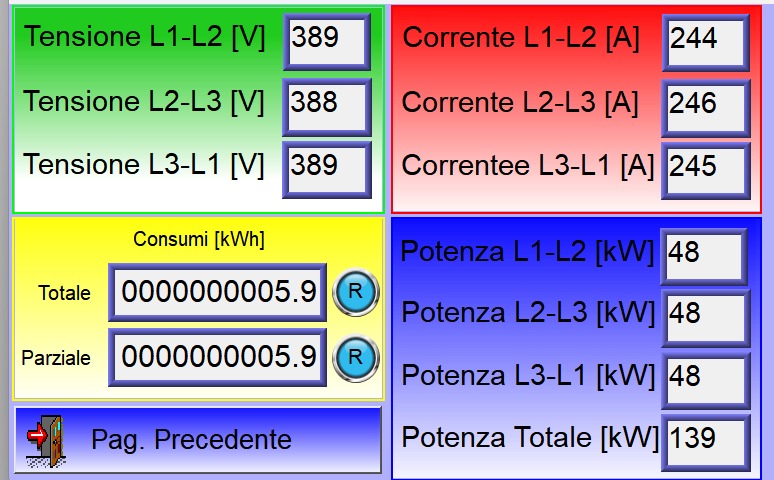
• Installation of the electrical unit: Fitting of radiant/convection heating elements or induction systems and refurbishment of the power distribution board.
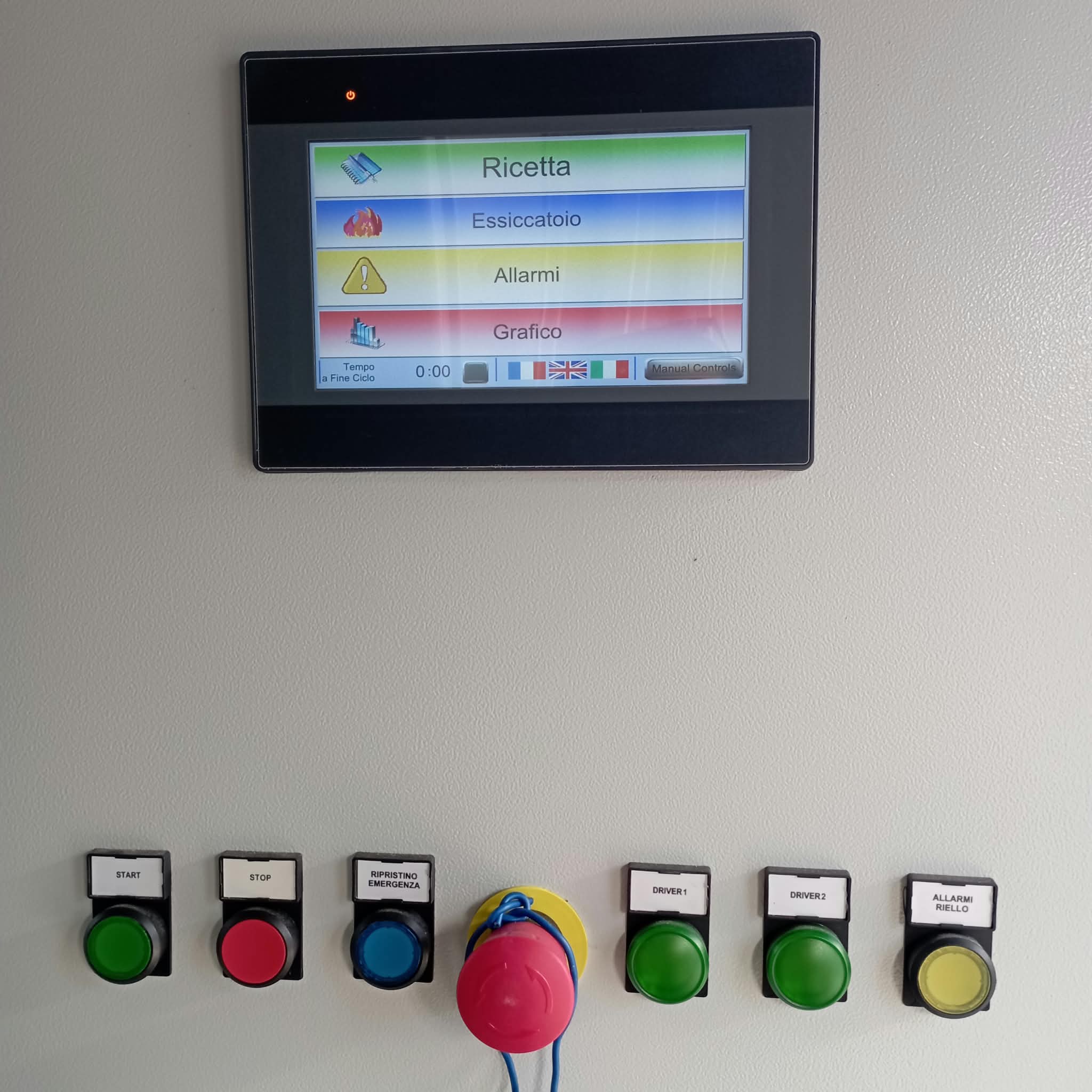
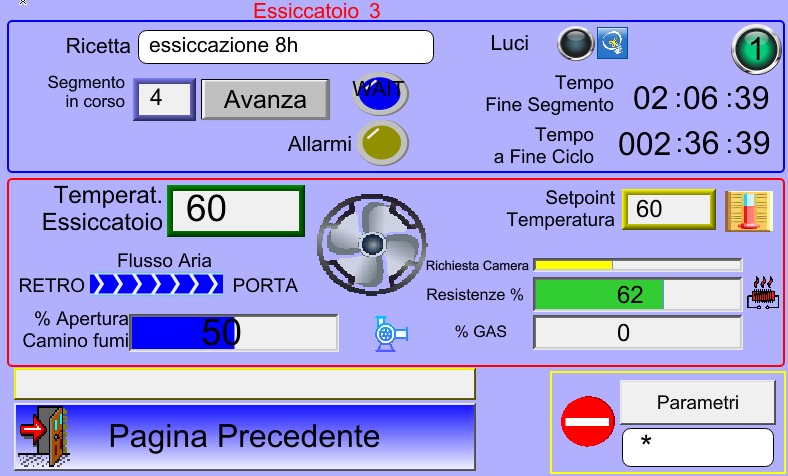
• Upgrading of the automation system: Integration of new PLCs, temperature controllers and temperature sensors to manage solid-state relays or thyristors.
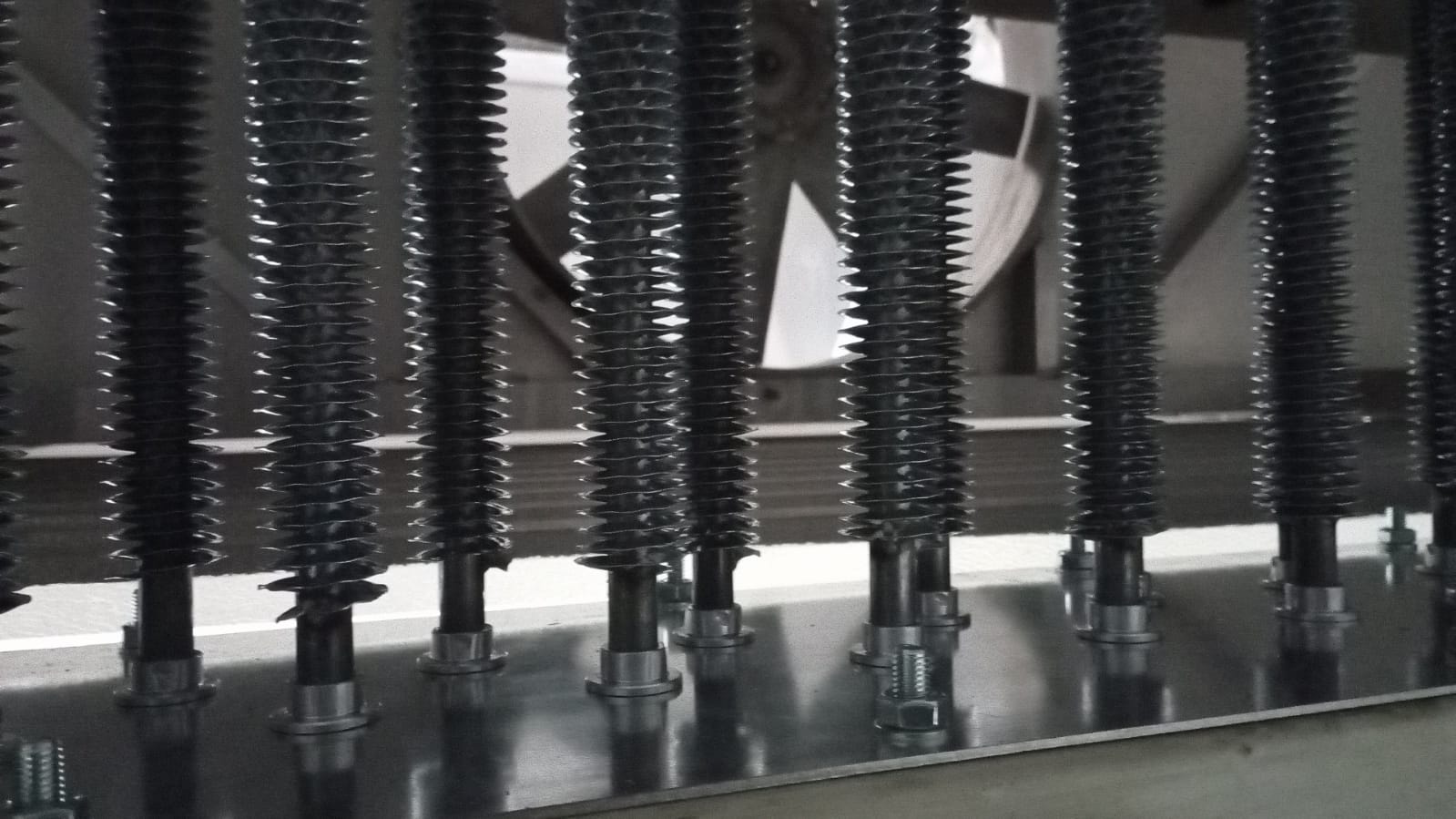
Keos specialises in the design and conversion to electric heating of:

Dryers
Kilns
BEFORE
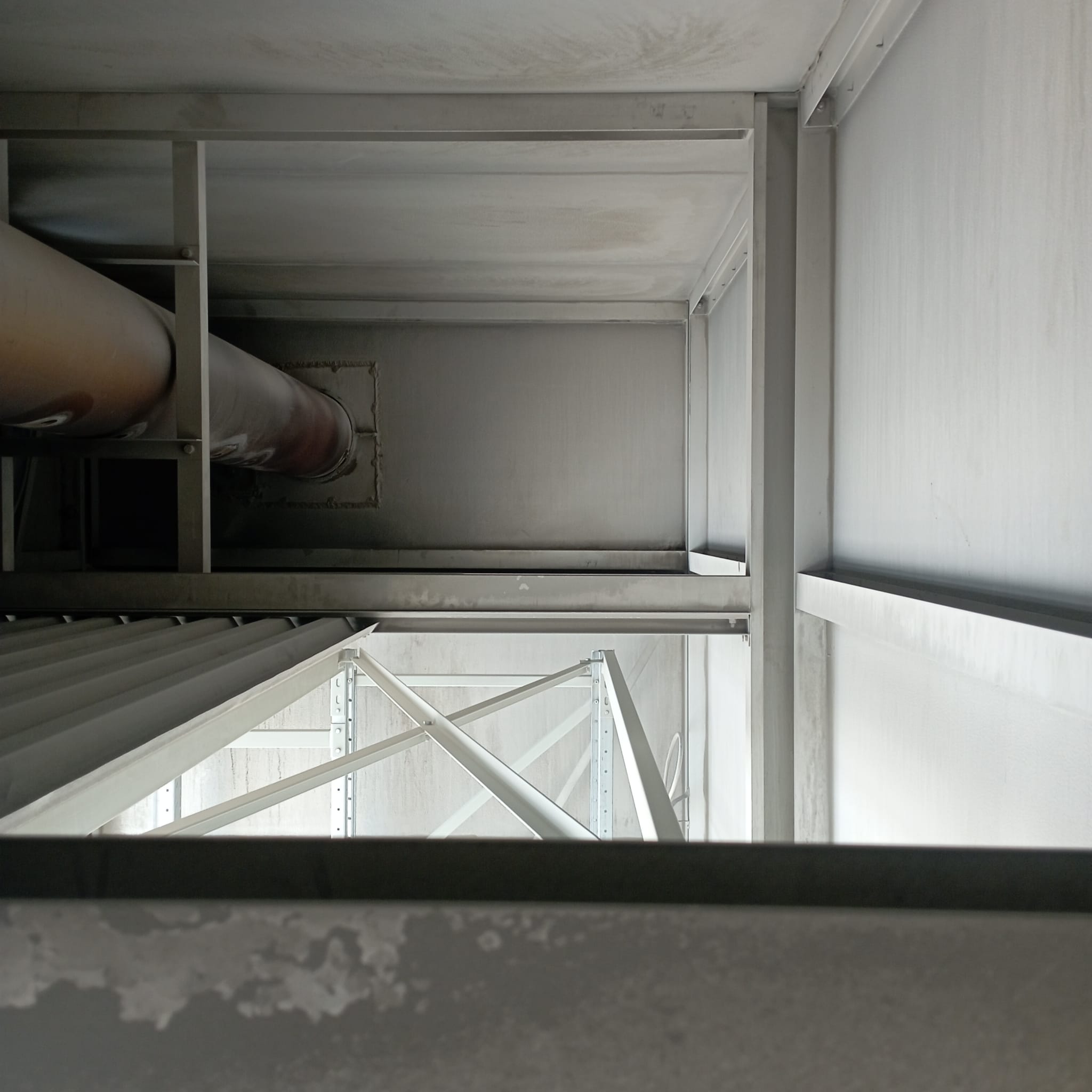
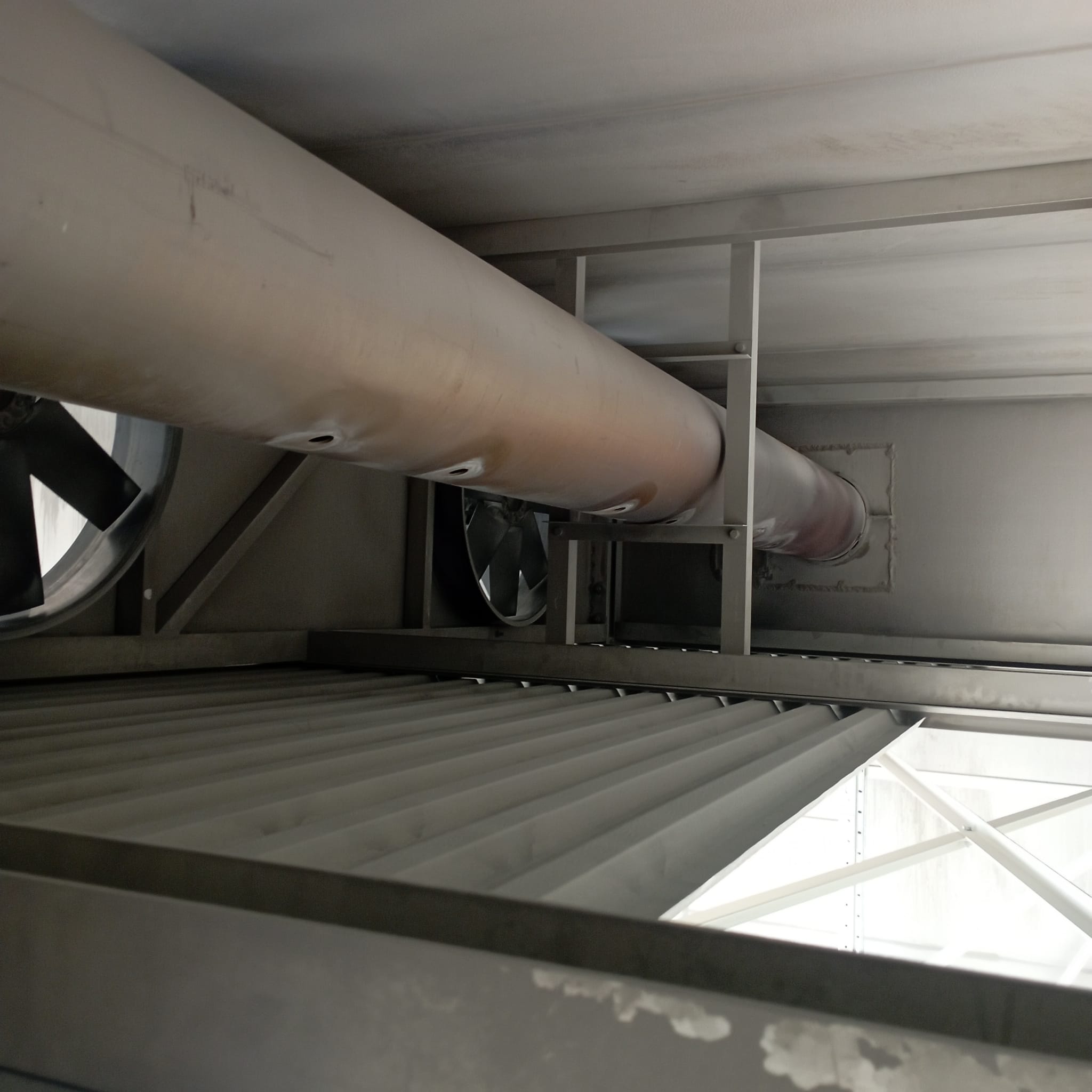
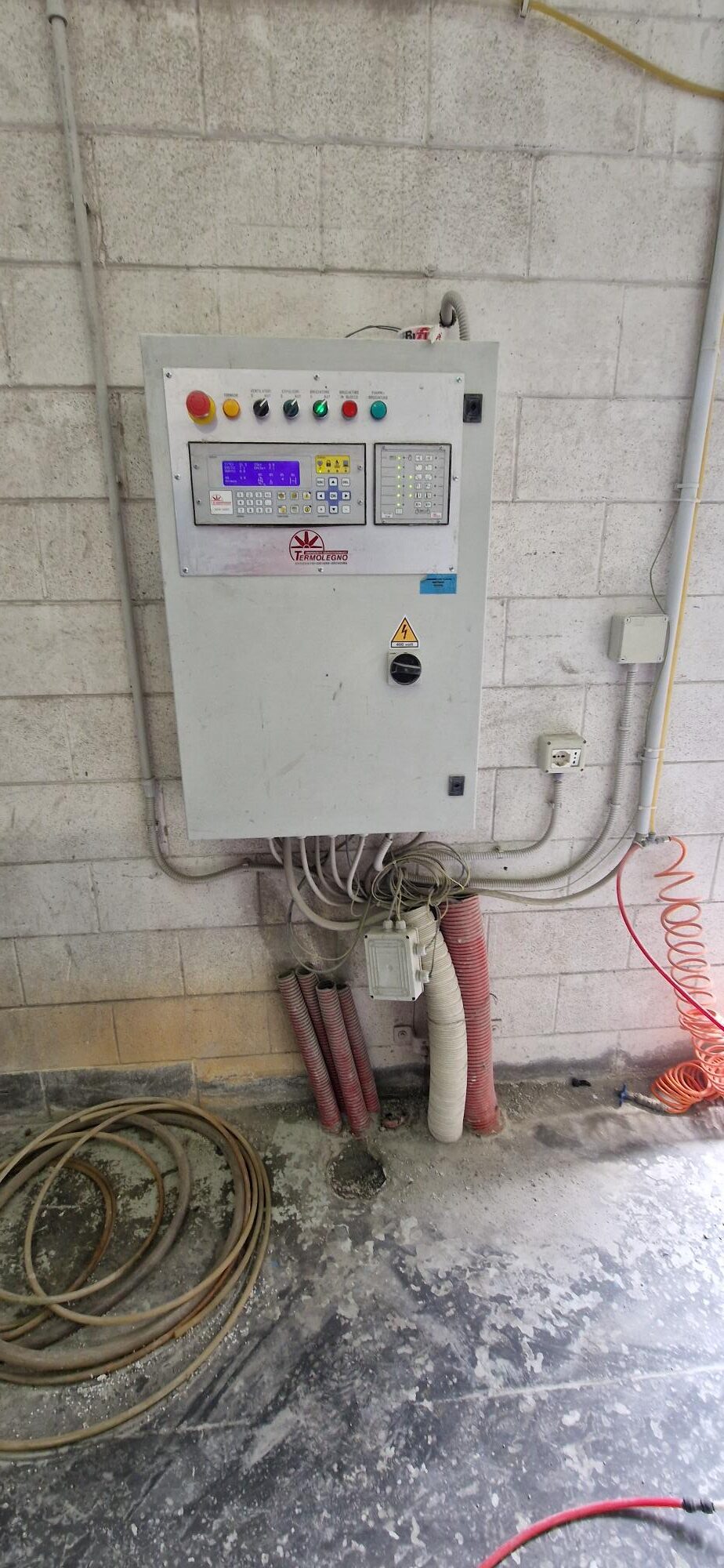
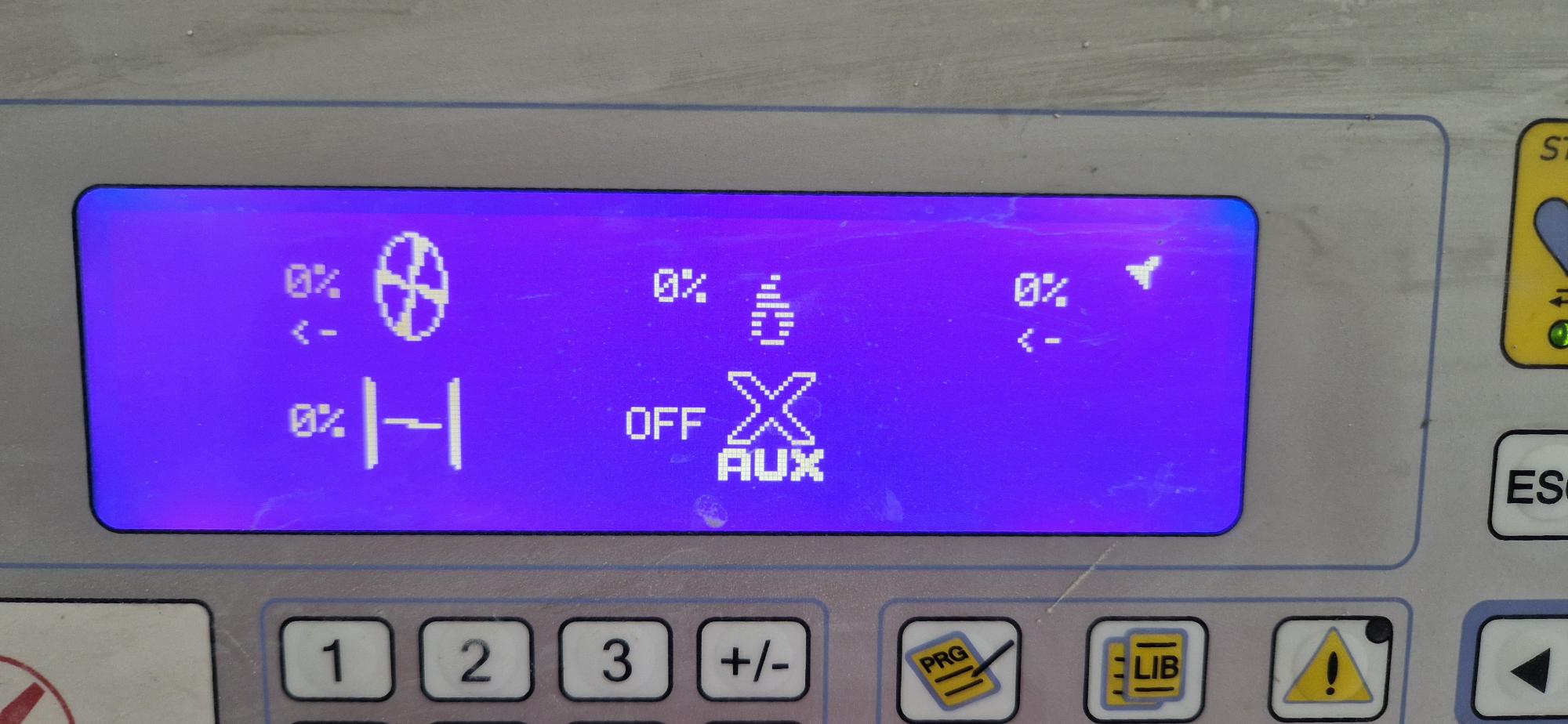
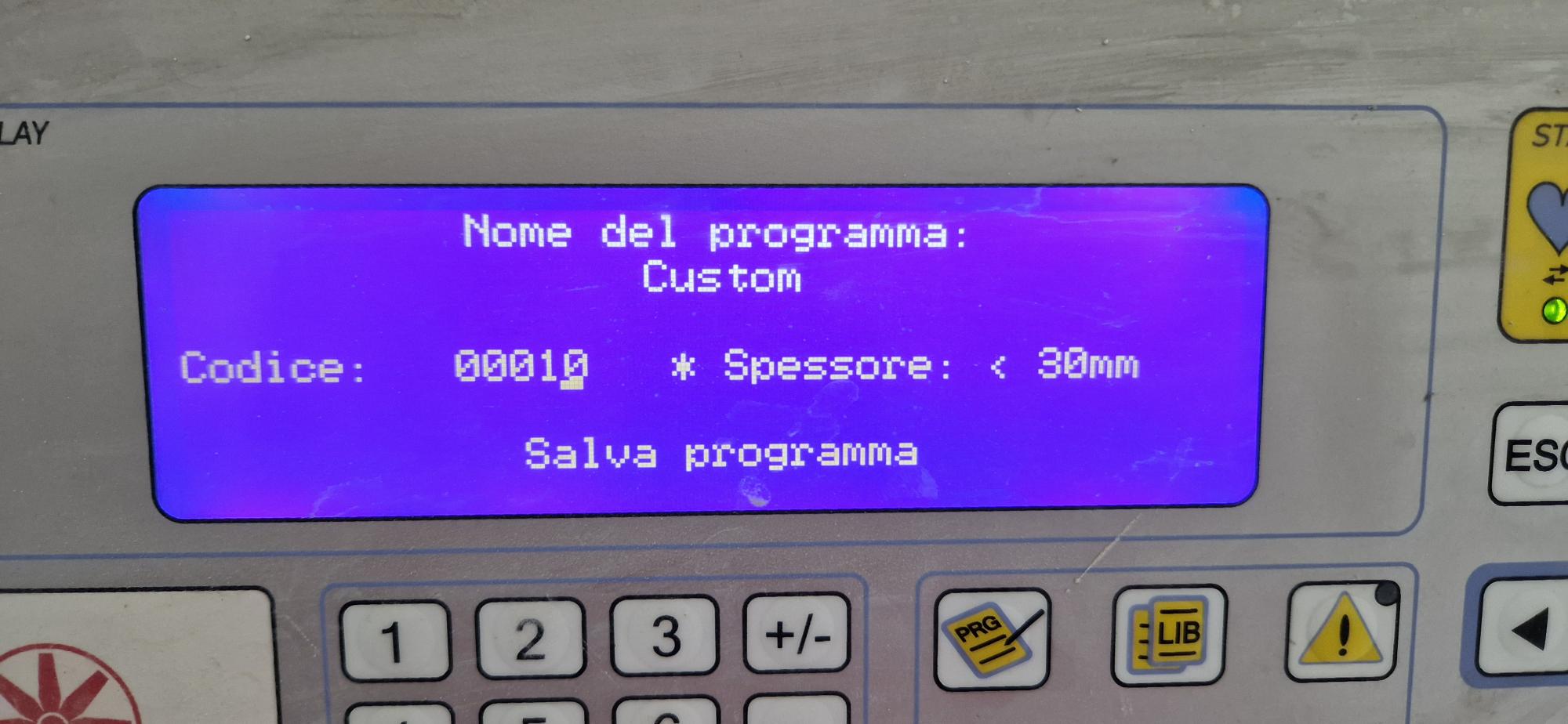
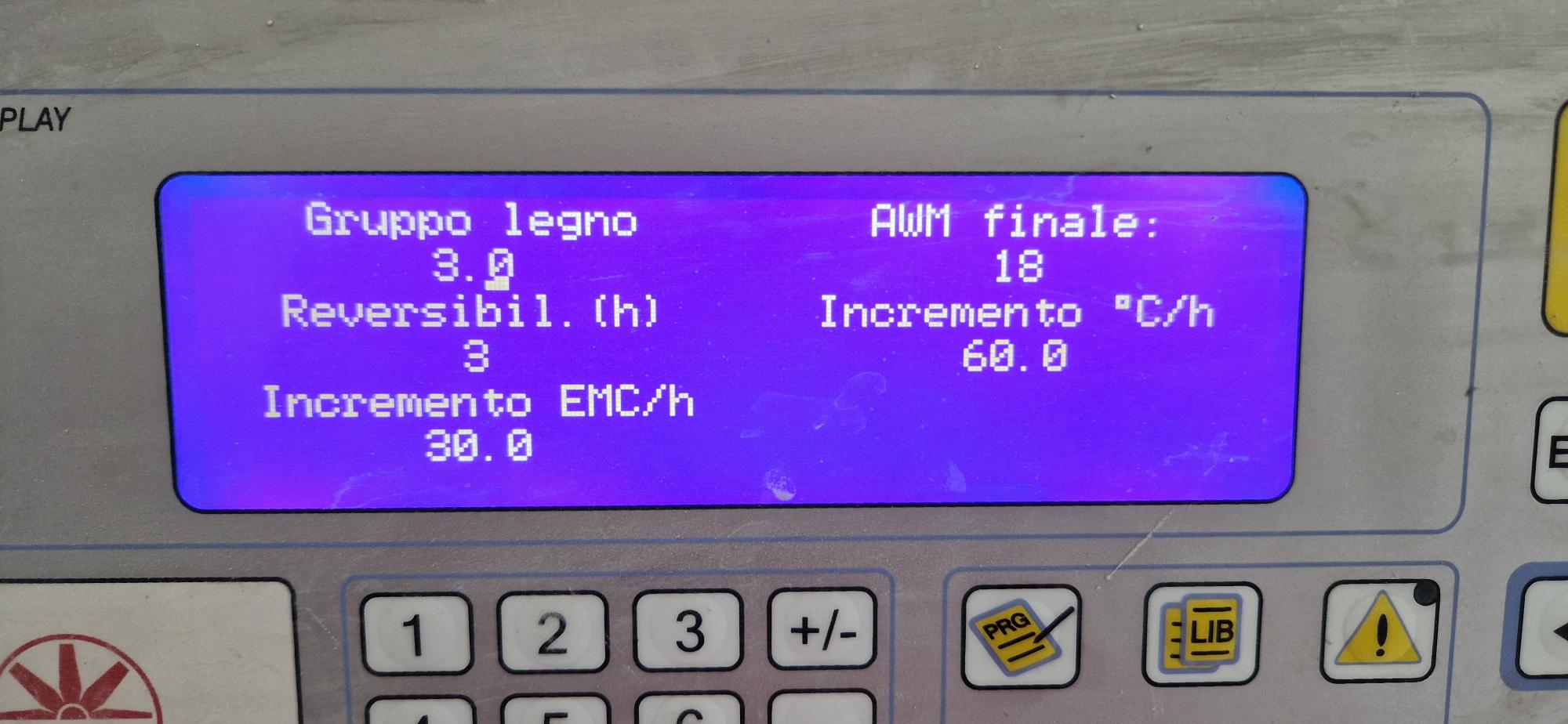
AFTER
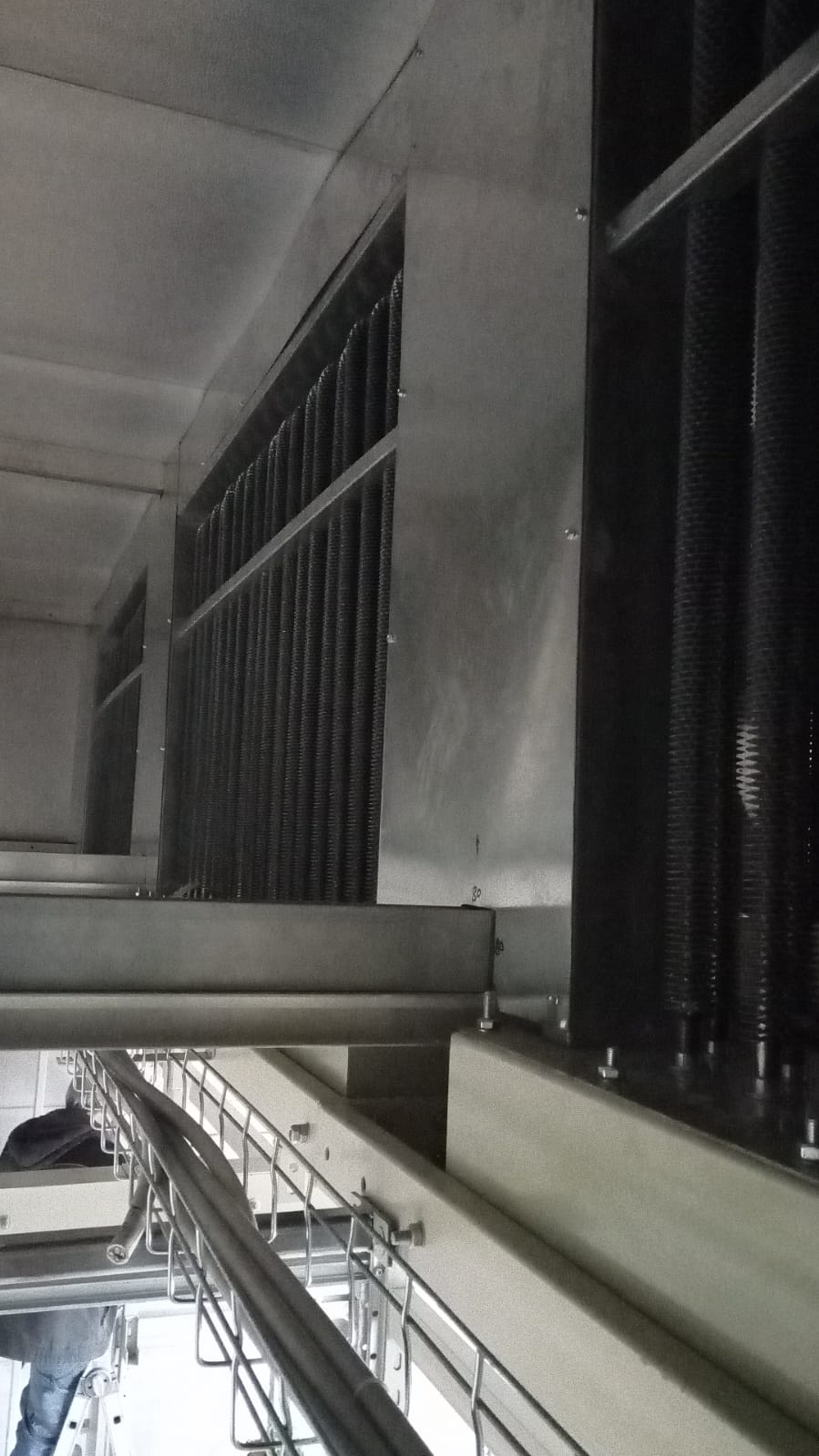
Details
Head-to-Head Comparison: Gas vs Electricity
| Feature | Gas supply | Power Supply |
| Energy Efficiency | Medium (a great deal of heat is lost in the flue gases). | High (close to 100% for heating elements) |
| Emissions into the environment | Present (CO₂, NOx, particulate matter). | Zero local emissions. |
| Maintenance | High (burner cleaning, flue gas monitoring, flues, gas pipes). | Minimal (no open flames or combustion residues). |
| Temperature Control | Less precise, subject to thermal inertia. | Extremely precise and easily automated via a PLC. |
The machines are designed completely in-house. Thanks to the collaboration of technicians and select suppliers, the entire construction stage is carried out by our technical department.
Lastly, we oversee and perform installation and final testing of the machine at the customer’s site.